
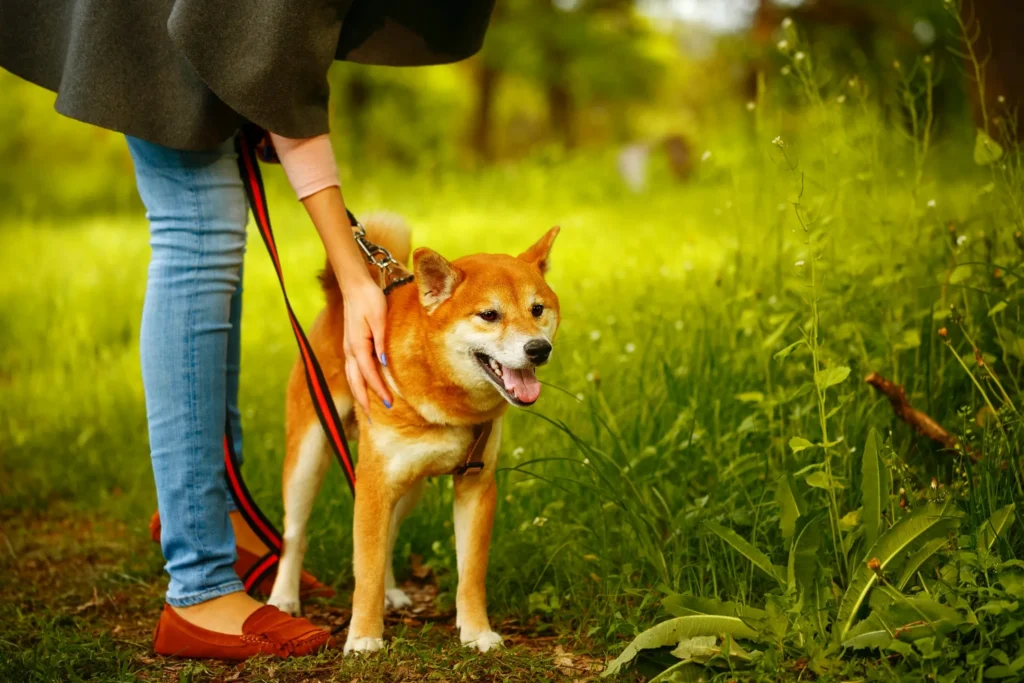
Are you grappling with leash walking issues when strolling with your four-legged companion? You’re not alone. Many pet owners share the experience of their dogs leading the way, often with excessive sniffing and marking. If daily walks have turned into a struggle, The Pet Fence Pros are here to provide guidance. We understand that a well-behaved dog is vital, both indoors and outside your property. Let’s explore some practical tips to enhance your leash walks for a more enjoyable experience with your furry friend.
1. Bring Structure to Your Walks
Improving leash walking begins by introducing structure to your walks. Experiment with altering your pace, direction, and route during your walks. This not only keeps your dog physically engaged but also mentally stimulated, encouraging them to respond to your cues and commands.
2. Keep the Leash Taut for Control
Maintaining a taut leash is essential, particularly at the start of a walk when you want to establish your leadership. This provides better control and helps your dog understand your expectations, ensuring a more harmonious walk.
3. Training as Part of the Walk
Make the most of your walks by incorporating training exercises. Implement commands such as Sit, Wait, Stay, and Leave It during the walk. This practice not only enhances your dog’s obedience but also fosters greater engagement between you and your pet. Reward their good behavior with praise and treats to reinforce positive actions.
4. Set Objectives for Each Walk
Set specific goals for each walk to make them more interesting. For instance, decide to practice a particular command every few houses you pass. The next day, switch to a different command, keeping the experience fresh and dynamic. If your dog is cooperative and behaves well on the leash, allow them some free time to explore and sniff around as a reward.
Leash walking can be a disciplined endeavor, but by introducing enjoyable challenges, you can maximize exercise in a shorter time and distance. There’s nothing quite like seeing your dog tired, content, and in good health.
Choose The Pet Fence Pros for All Your Pet’s Needs
At The Pet Fence Pros, we deeply understand the value of a well-behaved and secure pet. We offer a range of solutions to meet your pet’s safety and freedom requirements. Schedule your free consultation with The Pet Fence Pros today to explore how our solutions can provide secure boundaries for various scenarios, ensuring the safety and well-being of your cherished furry family members.